

Introduction
Lightning strikes are unpredictable, powerful, and capable of causing catastrophic damage to buildings, infrastructure, and sensitive electronic equipment. For facility managers, engineers, and contractors, the challenge is not just about installing a lightning protection system — it’s about knowing when that system has been activated and whether it remains fully functional after a strike.
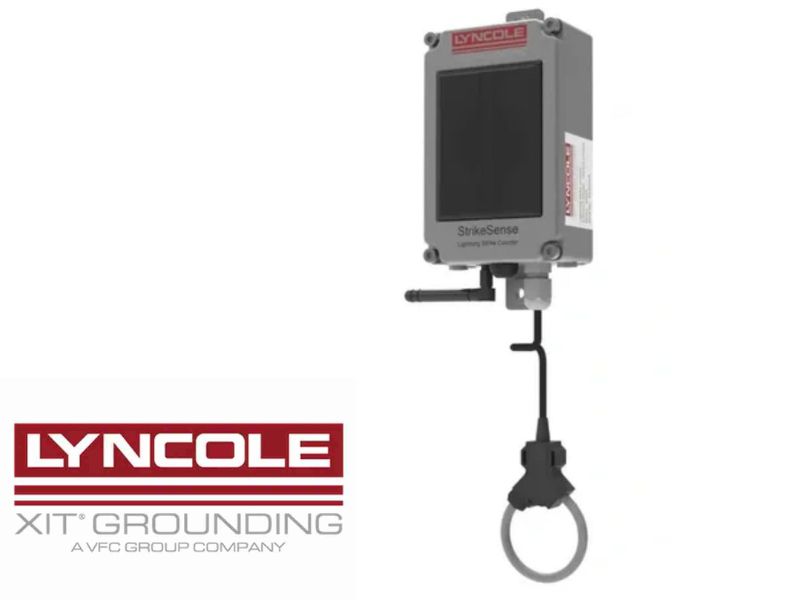
The StrikeSense™ Smart Lightning Strike Counter by Lyncole, exclusively distributed by NOVA Technology in Hong Kong and Macau, eliminates the guesswork. It provides real-time, cloud-connected lightning strike data that enables immediate post-strike assessment, informed maintenance decisions, and full compliance with international safety standards.
Why a Lightning Strike Counter is Essential
1The Problem: Lightning Strikes Are Invisible
When a critical facility or remote site experiences equipment failure, the first question is always: What caused it? Was it a lightning strike, a power quality issue, or equipment failure?
Without strike data, everyone is guessing. Equipment manufacturers may blame lightning. Maintenance teams may suspect power issues. Facility owners may question whether the lightning protection system is working at all.
2The Standard: Inspections Are Mandatory After Every Strike
International standards — including IEC 62305-3 and NFPA 780 — require that lightning protection systems be periodically inspected, especially following any modifications, repairs, or lightning strikes to the protected structure.
A lightning protection system that has successfully intercepted a strike must be professionally assessed to confirm it remains ready to protect the facility again.
3The Solution: Certainty, Not Guesswork
A Lightning Strike Counter provides definitive evidence of whether a protection system has been activated. This information:
- Eliminates speculation about the cause of equipment failures
- Triggers timely post-strike inspections as required by standards
- Prevents costly over-maintenance or, worse, under-maintenance that leaves facilities vulnerable
- Reduces downtime and lowers repair costs by enabling rapid, targeted responses